Gluco6 Official Website › Journal › Gymnema sylvestre
Gymnema Sylvestre And Sugar Cravings: The Evidence
The name on this label with the biggest reputation, the trial that produced it, the interaction that came with it, and the amount the bottle does not print.
- Gymnema’s reputation is about sweetness on the tongue. The trials with the clearest results measured blood glucose instead.
- The dose anchor is 400 mg a day of a leaf extract called GS4, given for 18 to 20 months in a small 1990 study.
- In that study the patients’ drug doses had to come down. That is the interaction, seen from the useful side.
- This label names gymnema sylvestre and prints no amount, no extract name and no leaf-or-extract answer.
Gymnema sylvestre is a South Asian climbing plant and one of the six names on the Gluco6 label. Its reputation is for blunting the taste of sweetness, and the human trials that produced its evidence measured blood glucose rather than cravings. The clearest of them used 400 mg a day of a specific leaf extract. This label names the plant and publishes no amount for it.
What gymnema is, and what it is known for
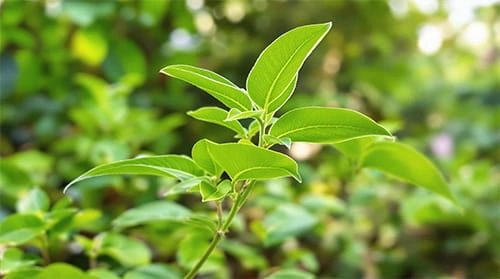
Gymnema sylvestre is a woody climbing plant from South Asia — used for a long time for the way its leaves blunt the taste of sweetness on the tongue. That property is the whole of its popular reputation, and it is why it turns up in blood sugar formulas and appetite formulas alike.
The seller’s own line for this ingredient is that it “reduces sugar cravings by blocking taste receptors”, alongside two more: that it supports healthy glucose levels and moderates appetite. Those are the seller’s words, printed here as the seller’s words. What follows is what the published human record contains, which is a different thing and, in one respect, a more interesting one.
The gap between the reputation and the evidence
The two papers this article relies on measured fasting glucose, post-meal glucose and HbA1c. Neither measured sugar cravings and neither measured taste. That is not a criticism of the plant — it is the honest shape of the record. The effect people have heard of is not the effect the trials were built to detect.
What the trials actually measured
A 2021 systematic review and meta-analysis pooled 10 studies in 419 people with type 2 diabetes and reported significant reductions in fasting glucose, post-prandial glucose and HbA1c after gymnema supplementation. Read on its own that sounds settled. It is not — and the review says so itself.
Two features of that analysis decide how much weight it carries. Most of the comparisons are against each patient’s own baseline rather than against a placebo group, so anything that changed over the study period travels with the result. And the heterogeneity between studies runs as high as 99%, which means the individual trials disagreed with each other about as much as trials can.
The honest summary is that gymnema is one of the more interesting botanicals in this category and the evidence behind it is not strong enough to promise anybody anything. NCCIH’s page on diabetes and dietary supplements makes the same general point about this whole class of ingredient, and adds the two warnings that matter more than any efficacy figure: supplements can interact with medicines, and the FDA has taken action against products illegally marketed as treating or curing diabetes.
The 400 mg trial, and the amount this label prints
Gymnema’s reputation among supplement formulators rests largely on one small, old study. Baskaran and colleagues, 1990 gave 22 patients 400 mg a day of a named leaf extract, GS4, for 18 to 20 months, on top of the oral medicines they were already taking. It is an open study from 1990 with no placebo arm, and the beta-cell regeneration the authors suggested was never demonstrated.
Three details from that description do the work. The amount was 400 mg a day. The material was a specific standardised extract with a name, not leaves in general. And the duration was a year and a half, not a month.
| What a reader wants to know | The 1990 GS4 trial | The Gluco6 label |
|---|---|---|
| How much a day | 400 mg | Named. No amount. |
| What material | GS4, a standardised leaf extract | “Gymnema Sylvestre”, no form given |
| For how long | 18 to 20 months | One capsule a day, no period stated |
| Taken with what | The patients’ own oral diabetes medicines | Five other named ingredients inside one blend total |
| What was measured | Blood glucose and HbA1c | Nothing: no trial of this capsule exists |
A named ingredient and a studied ingredient are not the same thing when the amount is missing. The right-hand column is the reason the ingredients page prints research amounts rather than label amounts.
Order Gluco6 from the official website
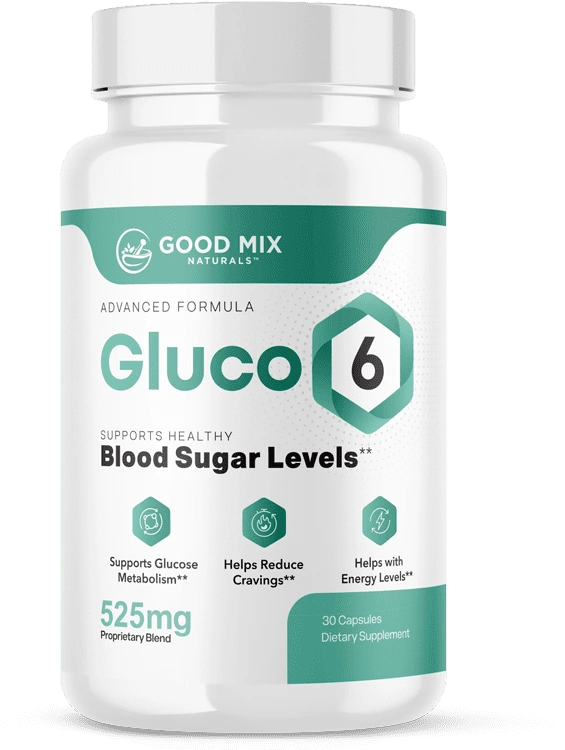
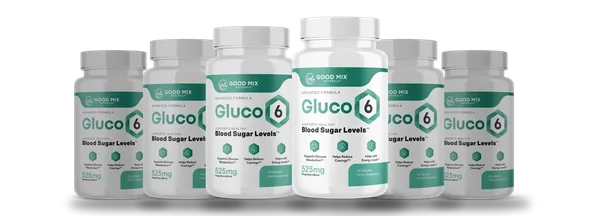
One capsule a day, 30 to a bottle, and 60 days to change your mind. Three bottles is the pack this desk suggests first.
$39 to $69 a bottle · 60 days to change your mind, bottles back even if empty
Order Gluco6The finding that matters most, if you take medicine
The most useful sentence in the 1990 study is not about the supplement working — it is about what had to happen to the prescriptions. During supplementation the patients’ drug doses had to be reduced, and five of the twenty-two came off their medication entirely.
Turn that around and you have the interaction stated from the other side: a supplement lowered blood glucose enough that a prescribed dose became too strong. In a monitored study that is a result. At home, without monitoring, it is a low.
NIDDK names the medicines that cause hypoglycaemia: insulin, sulfonylureas and meglitinides. It puts the action point at 70 mg/dL and defines severely low blood glucose by needing someone else’s help rather than by a number. Those are the conditions under which the 1990 result becomes a risk rather than an outcome.
- Do not change a prescribed dose because you have started a supplement. That adjustment belongs with whoever wrote the prescription.
- Know your own low-sugar signs. Shakiness, sweating, confusion, a fast heartbeat or sudden hunger are the common ones.
- Take the bottle with you. Six names and a 525 mg total is exactly the information a prescriber needs, and it is on the front of the label.
- Read the safety page before the first capsule if you take anything for blood sugar. It names the interaction rather than gesturing at it.
What a cravings claim is allowed to mean
Sugar cravings are the thing most people arrive at gymnema for, and they are the hardest outcome in this article to say anything firm about. A craving is subjective, it is hard to measure, and the trials that gave gymnema its evidence did not try.
The rules are worth knowing here, because they explain the wording on every bottle in this category. A structure/function claim may describe an effect on a normal structure or function of the body, such as calcium building strong bones. It may not say a product treats or prevents a disease, and the label has to carry the disclaimer that the statement has not been evaluated by the FDA, precisely because only a drug can legally make such a claim.
The front of the Gluco6 bottle claims support for healthy blood sugar levels, glucose metabolism, cravings and energy. That is the claims ceiling for this product and this desk does not write above it. The seller’s own sales page goes a great deal further, with a “7-Second Ritual” and a promise of 20 to 30 pounds; the benefits page names those lines and declines them, and no article here repeats them.
| The seller’s wording | What the two cited papers set out to detect |
|---|---|
| “Reduces sugar cravings by blocking taste receptors” | Neither measured cravings, appetite or taste. Both measured blood glucose. |
| “Supports healthy glucose levels” | This is the one the record speaks to: reductions in fasting glucose, post-meal glucose and HbA1c, mostly against baseline rather than placebo. |
| “Moderates your appetite” | Not an outcome in either paper. |
The left column is quoted from the seller. The right is what the two papers linked in this article were built to detect. A claim and an outcome are different things, and on this ingredient the difference is the whole story.
How to judge gymnema inside a blend
If gymnema is the reason you are looking at this bottle, four things make the decision more informed than it would otherwise be.
- Set your expectation against the trial, not the marketing. The clearest result came from 400 mg a day of one named extract over a year and a half, in people already on medication.
- Accept that the share is unknown. Gymnema is one of six names inside 525 mg. Its share cannot exceed that total and is certainly a fraction of it.
- Judge it over weeks, not days. Nothing in this category has ever been shown to work over a weekend. The timeline article sets out how long is fair and how to run the test.
- Watch one thing and write it down. A single measure you actually record beats four impressions you half-remember, and it is the only way to tell a change from a good week.
The verdict on this entry
Gymnema sylvestre is one of the better-supported names on this label and that is a modest compliment. A pooled analysis of ten studies found reductions in glucose and HbA1c, with comparisons mostly against baseline and very high disagreement between trials. A single small study from 1990 supplies the 400 mg figure everybody quotes — and the most reliable thing it demonstrated was an interaction.
Against that, this label names the plant and prints no amount, no extract name and no indication of leaf or extract. The honest position is that gymnema is a reasonable ingredient to find on a blood sugar formula and an impossible one to verify on this one. If that is the deciding factor for you, the label page shows exactly what is printed, and the 60-day guarantee is what covers the decision either way.
A note, because this is a blood sugar article. Gluco6 is a dietary supplement for healthy adults aged 18 and over. It does not treat, prevent or manage diabetes or prediabetes, and it is not a substitute for prescribed medicine. If you take insulin, a sulfonylurea such as glipizide or glimepiride, or a meglitinide such as repaglinide, those medicines already lower blood glucose, and NIDDK names them as the drugs that cause hypoglycaemia. Four of the six names on this label have been studied for the same effect and the label prints no amount for any of them, so nobody can tell you how much of it a capsule carries. Take the bottle to the clinician who set your dose before the first capsule, and treat blood glucose at or below 70 mg/dL as something to act on rather than watch.
Sources cited in this article
- Devangan S, Varghese B, Johny E, Gurram S, Adela R. The effect of Gymnema sylvestre supplementation on glycemic control in type 2 diabetes patients: A systematic review and meta-analysis. Phytother Res. 2021;35(12):6802-6812. https://pubmed.ncbi.nlm.nih.gov/34467577/
- Baskaran K, Kizar Ahamath B, Radha Shanmugasundaram K, Shanmugasundaram ER. Antidiabetic effect of a leaf extract from Gymnema sylvestre in non-insulin-dependent diabetes mellitus patients. J Ethnopharmacol. 1990;30(3):295-300. https://pubmed.ncbi.nlm.nih.gov/2259217/
- National Institute of Diabetes and Digestive and Kidney Diseases. Low Blood Glucose (Hypoglycemia). https://www.niddk.nih.gov/health-information/diabetes/overview/preventing-problems/low-blood-glucose-hypoglycemia
- National Center for Complementary and Integrative Health. Diabetes and Dietary Supplements: What You Need To Know. https://www.nccih.nih.gov/health/diabetes-and-dietary-supplements-what-you-need-to-know
- U.S. Food and Drug Administration. Structure/Function Claims. https://www.fda.gov/food/nutrition-food-labeling-and-critical-foods/structurefunction-claims